

Milford Sound and Doubtful Sound are two of New Zealand’s most spectacular natural attractions. Both sit within Fiordland National Park, a UNESCO World Heritage area renowned for towering cliffs, ancient rainforest, dramatic waterfalls and remarkable wildlife.
They share many similarities, but the experiences are surprisingly different. One is iconic and easily accessible. The other is remote, quieter and more immersive.
So which should you choose?
Milford Sound vs Doubtful Sound: What’s the Difference?
Choose Milford Sound if you have limited time, want Fiordland’s most famous experience or are visiting for the first time. Choose Doubtful Sound if you prefer fewer crowds, more wildlife and a deeper wilderness experience. Many travellers consider both worth visiting.
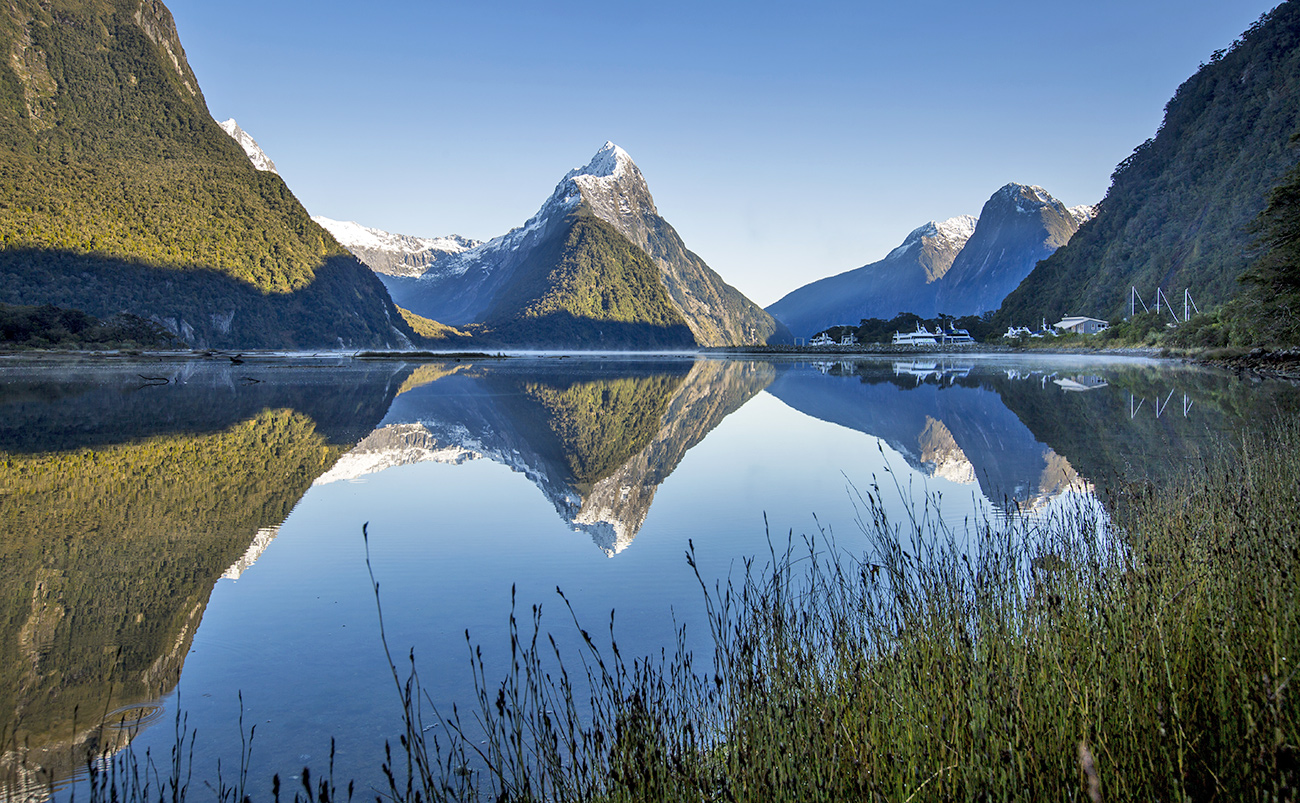
Size and Scale
The biggest difference between the two fiords is scale.
Milford Sound is dramatic and immediate. Towering cliffs rise directly from the water, with Mitre Peak reaching 1,692 metres above sea level. The scenery feels concentrated and intensely photogenic from the moment you arrive.
Doubtful Sound is much larger.
Covering a vast network of waterways, it is approximately three times larger than Milford Sound. Its size creates a greater sense of wilderness and remoteness that unfolds gradually throughout the journey.
Winner: Doubtful Sound for scale, Milford Sound for dramatic scenery.

Accessibility
Milford Sound is significantly easier to reach.
Visitors can drive from:
- Te Anau (approximately 2 hours)
- Queenstown (approximately 4 hours)
Coach tours, fly-cruise experiences and self-drive options are all widely available.
Doubtful Sound requires a more involved journey.
Visitors travel from Manapouri by boat across Lake Manapouri, then cross Wilmot Pass by coach before boarding their cruise vessel. The journey is part of the experience but requires more time and planning.
Winner: Milford Sound

Crowds
Milford Sound is one of New Zealand’s most visited attractions and welcomes around one million visitors each year.
During peak periods, multiple cruise vessels may operate on the fiord simultaneously.
Doubtful Sound receives far fewer visitors due to its more complicated access requirements. The result is a quieter, more exclusive experience with long stretches of wilderness and very few signs of civilisation.
Winner: Doubtful Sound

Wildlife
Both fiords support thriving populations of wildlife.
Common sightings include:
- Bottlenose dolphins
- New Zealand fur seals
- Fiordland crested penguins
- Seabirds
Doubtful Sound is particularly well known for its resident bottlenose dolphin population and generally offers more consistent wildlife encounters.
The fiord’s unique freshwater layer also creates unusual marine conditions that support deep-water species closer to the surface.
Winner: Doubtful Sound

Weather and Waterfalls
Fiordland is one of the wettest places on earth.
Milford Sound receives more than 6,000 millimetres of rainfall annually, while Doubtful Sound receives slightly less.
Rain dramatically transforms both fiords. Hundreds of temporary waterfalls appear on the cliffs, mist drifts through the rainforest and the entire landscape feels even more alive.
Many experienced travellers consider a rainy day the best time to visit Fiordland.
Winner: Draw

Overnight Cruises
While day cruises are excellent, an overnight cruise provides a very different perspective.
Milford Sound overnight cruises allow visitors to experience the fiord after most day visitors have departed. The silence and stillness of early morning are unforgettable.
Doubtful Sound overnight cruises are typically longer and more immersive. Many include kayaking, wildlife viewing, nature presentations and opportunities to experience complete silence in remote coves.
For travellers seeking the ultimate Fiordland experience, an overnight cruise is hard to beat.
Winner: Doubtful Sound
Milford Sound vs Doubtful Sound Comparison
| Feature | Milford Sound | Doubtful Sound |
|---|---|---|
| Accessibility | ★★★★★ | ★★☆☆☆ |
| Crowds | ★★☆☆☆ | ★★★★★ |
| Wildlife | ★★★★☆ | ★★★★★ |
| Scale | ★★★★☆ | ★★★★★ |
| Day Trip Friendly | ★★★★★ | ★★☆☆☆ |
| Wilderness Experience | ★★★☆☆ | ★★★★★ |
| First-Time Visitor Friendly | ★★★★★ | ★★★☆☆ |
Which Is Better for First-Time Visitors?
Milford Sound is usually the better choice for first-time visitors.
It is easier to access, works well as a day trip and delivers some of the most iconic scenery in New Zealand.
If you only have time for one Fiordland experience, Milford Sound is the safest recommendation.
Which Is Better for Returning Visitors?
Doubtful Sound often becomes the favourite among experienced New Zealand travellers.
Its sense of remoteness, smaller visitor numbers and immersive overnight experiences create a deeper connection to Fiordland’s wilderness.
For travellers who have already visited Milford Sound, Doubtful Sound is often the natural next step.
The Verdict
The truth is that there is no wrong choice.
- Choose Milford Sound for convenience, iconic scenery and first-time visits.
- Choose Doubtful Sound for solitude, wildlife and a deeper wilderness experience.
- Choose both if your itinerary allows.
Together, they showcase two very different sides of Fiordland National Park and rank among the greatest natural experiences in New Zealand.
Frequently Asked Questions
Is Milford Sound better than Doubtful Sound?
Not necessarily. Milford Sound is easier to access and better for first-time visitors, while Doubtful Sound offers a quieter and more immersive wilderness experience.
Can you visit Doubtful Sound as a day trip?
Yes, but it is a long day. Many travellers feel an overnight cruise provides a much richer experience.
Which fiord has more wildlife?
Doubtful Sound generally offers more consistent wildlife encounters, particularly with bottlenose dolphins.
Is Milford Sound worth visiting if it’s raining?
Absolutely. Rain creates hundreds of temporary waterfalls and often makes the scenery even more spectacular.
Ready to experience Fiordland?
Browse our Milford Sound and Doubtful Sound holiday packages or speak to one of our New Zealand specialists today.